Technical Data:
Vibration: 5 adjustable intensity levels — from the lowest to the highest vibration intensity. The user can choose the intensity according to their comfort.
LED light operation: 5 adjustable levels. Specific modes and their intensity are selected according to the manufacturer’s instructions for use.
Description
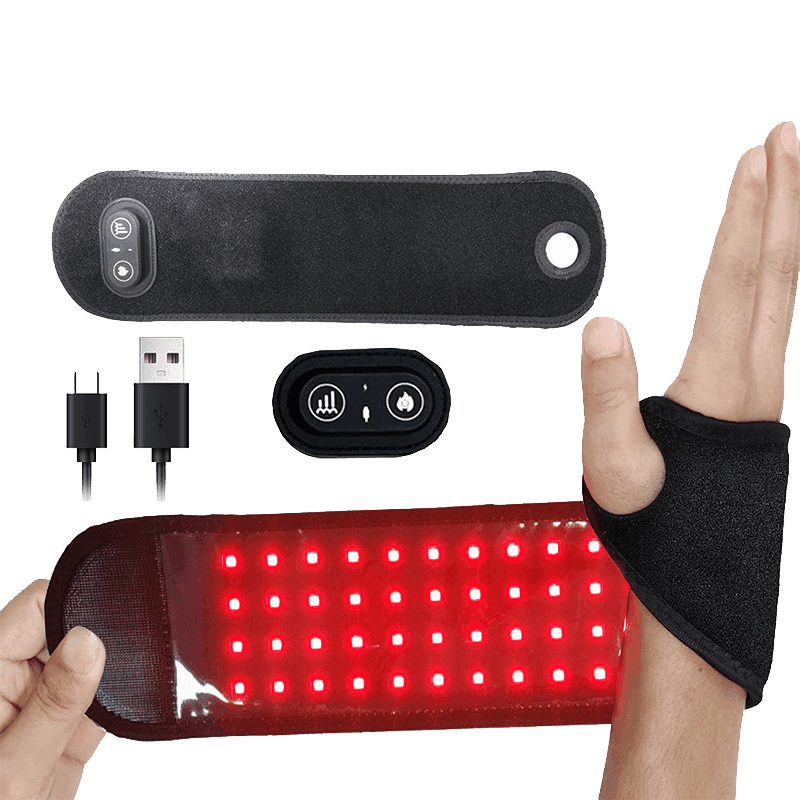
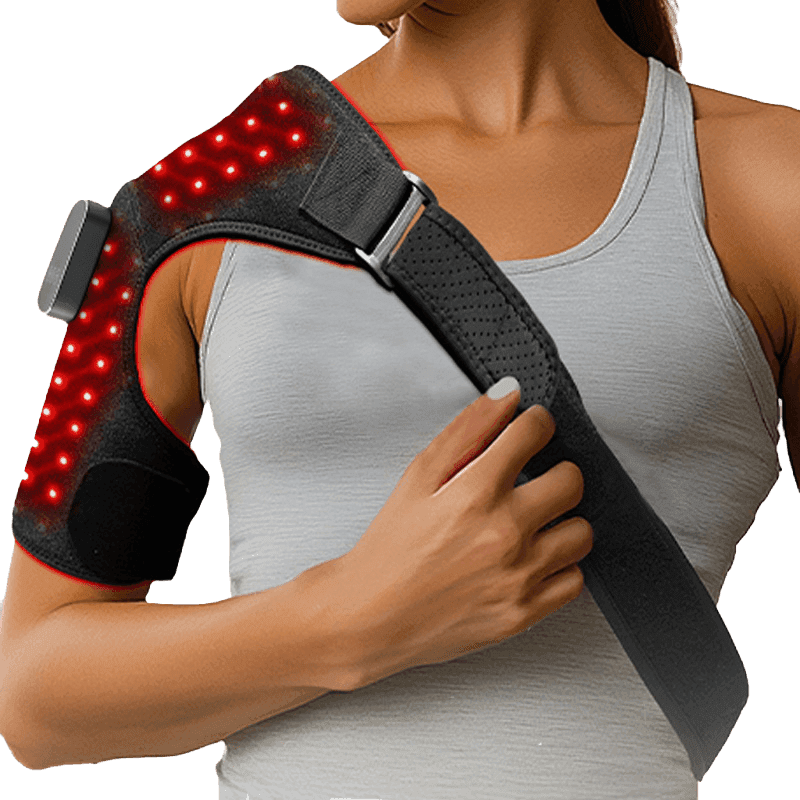
The Red and Near-Infrared LED Light Shoulder Brace is a device designed for the shoulder area. It uses 660 nm red LED light, 850 nm near-infrared LED light and an adjustable vibration function. The device additionally uses the TraumaX radionics / energy-information model program.
The device uses two LED light wavelengths — 660 nm red and 850 nm near-infrared light.
Photobiomodulation with red and near-infrared light is discussed in the scientific literature in the context of various biological processes, including mitochondrial and ATP metabolism, microcirculation, and tissue recovery markers. This information describes the general scientific context of PBM / LLLT and is not a confirmation of the physiological or clinical effect of this specific brace.
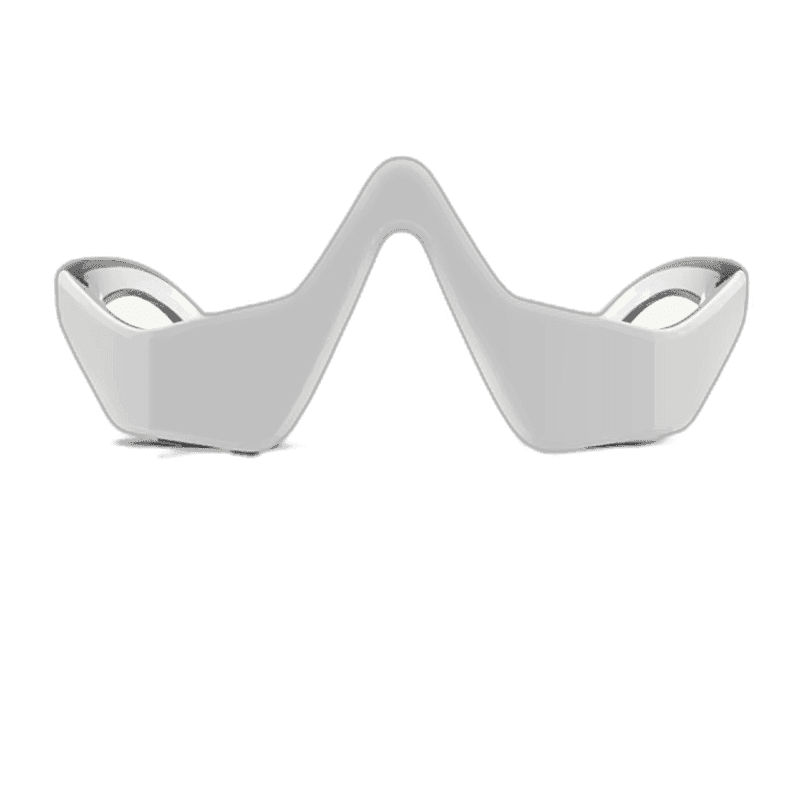
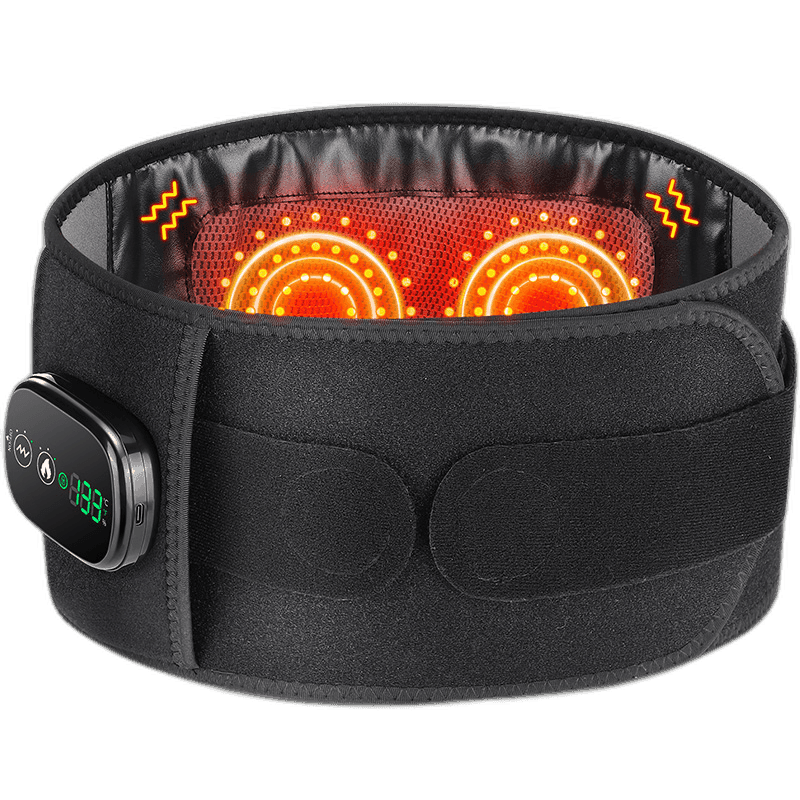
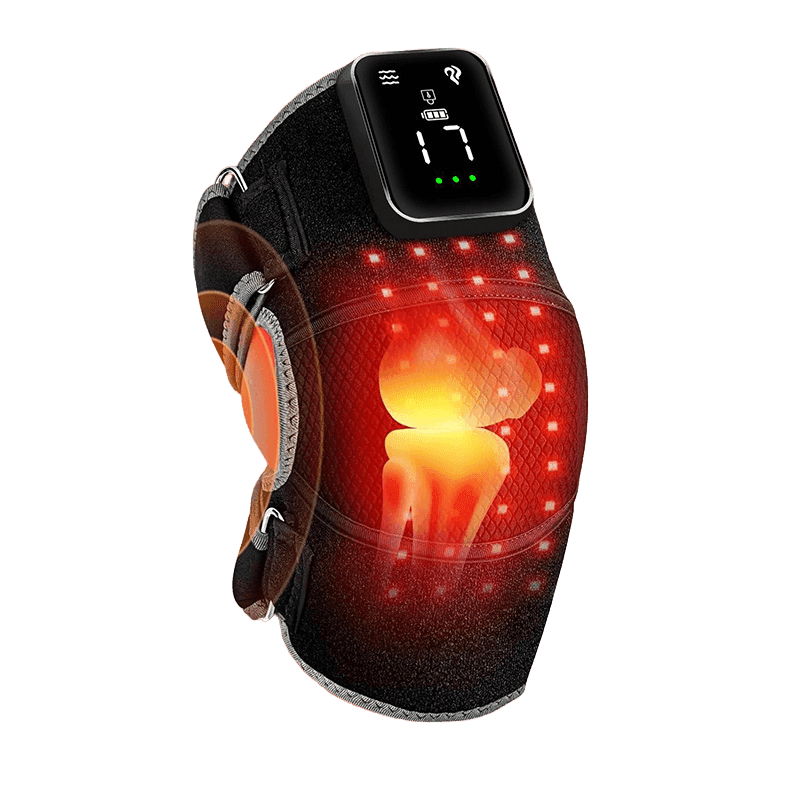
Thanks to its ergonomic and flexible design, the brace is suited for use on the shoulder area. The device charges via USB and can be used at home or while travelling according to the manufacturer’s instructions for use.
The device additionally uses the TraumaX biopattern program. In the context of the radionics / energy-information model, it is associated with informational themes of trauma, physical injury, bones, tendons, muscles, joints, recovery and energetic balance.
These concepts are used in this model as informational themes and do not mean that the TraumaX program physiologically affects bones, muscles, tendons, joints, inflammatory processes or tissue regeneration. The TraumaX program is separate from the physical action of the LED light and vibration.
To better understand how the product works, it is recommended to attend the radionics seminar.
Disclaimer
This product is presented as a device intended for wellbeing and comfort care of the shoulder area. It is not intended for the diagnosis, treatment, cure or prevention of diseases or other health conditions. If you have health concerns, consult a doctor or other qualified healthcare professional before use.
The scientific information about PBM / LLLT technology presented on this page in general is not proof of the clinical effectiveness of this specific device. The TraumaX program is a separate radionics / energy-information model program, and no physiological effect on joints, muscles, tendons, bones, inflammation or tissue healing processes is attributed to it.
The field of radionics and the informational field has been the subject of scientific research for over a century. In recent years the number of publications has been growing (e.g. Rubik B. et al., “Biofield Science and Healing: History, Terminology, and Concepts”, Global Advances in Health and Medicine, 2015), but existing studies are not yet sufficient for definitive clinical conclusions.
Usage Recommendations
Place the brace on the shoulder area according to the manufacturer’s instructions for use. The recommended duration of use is 15–30 minutes, if such a duration is stated in the manufacturer’s instructions. Choose the frequency of use according to the manufacturer’s instructions. During use, the selected LED light and vibration mode is active. The device additionally uses the TraumaX radionics / energy-information model program.
Why choose this brace?
The device combines, in one brace, 660 nm red LED light, 850 nm near-infrared LED light, an adjustable vibration function, and a separate TraumaX radionics / energy-information model program.
The ergonomic, flexible construction is suited for use on the shoulder area. The adjustable LED light and vibration modes allow settings to be chosen according to the user’s comfort and the manufacturer’s instructions.
The TraumaX program is an additional part of the radionics / energy-information model and is separate from the physical action of the LED light and vibration.
What the scientific literature shows about PBM / LLLT in the context of the shoulder and tendons (in general, not about this specific product):
The results presented below describe the PBM / LLLT technologies, devices, doses and protocols used in specific scientific studies and systematic reviews. They are not proof of the clinical effectiveness of this specific Biomind brace.
- Scientific studies have evaluated PBM / LLLT in the context of rotator cuff tendon pathologies, including changes in pain and functional indicators. The changes in the indicators found in individual studies apply to the specific technologies and protocols used in them and are not directly attributed to this Biomind brace.
- Systematic reviews and meta-analyses have also evaluated the use of PBM / LLLT in the context of tendinopathies, including pain and functional indicators. The results of these publications are not a confirmation of the clinical effectiveness of this specific product.
- Scientific photobiomodulation studies also examine local microcirculation changes. Such study results are not confirmation of the effect of this specific device.
Important: This device uses 660 nm red and 850 nm near-infrared LED light, but this specific Biomind product has not been separately clinically studied. The information above summarizes the general scientific literature on PBM / LLLT technology and is not a confirmation of the clinical effectiveness of this specific brace.
Sources:
- „Analysis of pain relief and functional recovery in patients with rotator cuff tendinopathy through therapeutic ultrasound and photobiomodulation therapy” — PMID: 35648258
- „The effect of low-level red and near-infrared photobiomodulation on pain and function in tendinopathy: a systematic review and meta-analysis” — PMCID: PMC8364035
- „Microcirculatory Response to Photobiomodulation-Why Some Respond and Others Do Not: A Randomized Controlled Study” — PMID: 32064652