

And when people realise they can own part of a living, breathing cultural asset instead of just paying for another subscription, the shift will be as dramatic as the move from landlines to smartphones. Ownership will stop being a privilege. It will become a right.
Our parents owned houses. We rent subscriptions. But the next generation will own tokens — and those tokens will represent castles, land, and culture.
Think about that for a moment. Ownership was once the great symbol of success. A home. A car. A library of books. A collection of vinyl records. These were not just possessions. They were milestones. Proof that you had arrived, that you had built something, that the future was yours to hold.
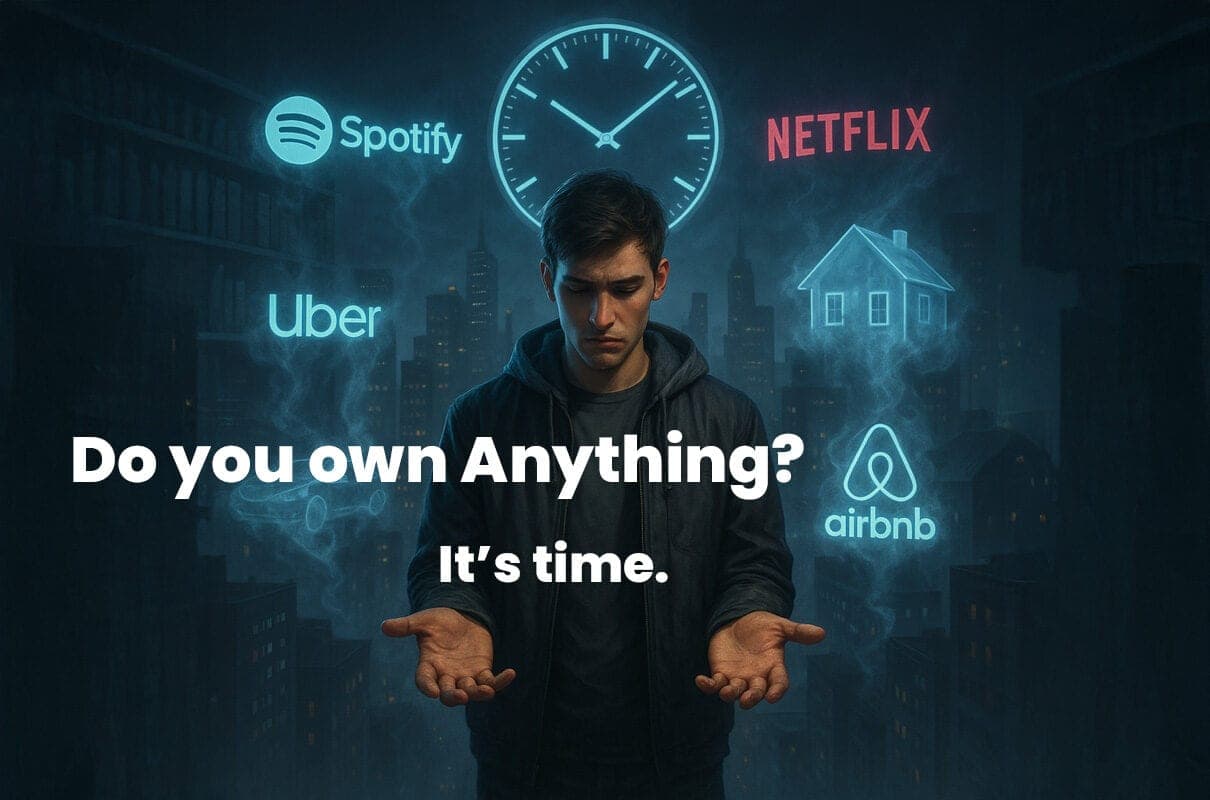
But what do most young people own today? Not much. Music is rented through Spotify. Films are rented through Netflix. Cars are borrowed through Uber. Homes are temporary, found on Airbnb. Even knowledge is rented — through online subscriptions, monthly fees, paywalls that disappear as soon as you stop paying.
We live in a generation that has more access than ever before… and less ownership than ever before. We can use almost anything, but we can truly claim almost nothing.
It feels convenient. Until you realise how fragile it is. Stop paying, and everything vanishes. The songs, the films, the data, the home, the car, the tools. All gone in an instant. Access without ownership is freedom without roots.
And yet, deep inside, people still crave something more permanent. Something they can point to and say: this is mine. Something that cannot be taken away by a corporate subscription model. Something that is part of them — and will be part of their children, too.
That craving is what will make the ownership revolution unstoppable.
The Vanishing Point of Ownership
You can see it in the numbers. The price of housing in many countries has climbed so high that entire generations have given up on owning a home. Wages stagnate. Debt piles up. The dream of property slips further and further away.
And when the big dreams vanish, people settle for small substitutes. Instead of a shelf of books, they keep a Kindle subscription. Instead of a car, they rent rides. Instead of a studio filled with music equipment, they lease plugins in the cloud.
It is practical. It is flexible. It is also hollow.
Because when everything is borrowed, nothing belongs to you. And if nothing belongs to you, how do you build wealth? How do you leave a legacy? How do you claim your place in the world?
This is why tokenisation is more than a financial trend. It is a generational answer to a crisis of ownership.
The Return of Belonging
Tokenisation flips the story. Suddenly, the things that were once out of reach — real estate, art, vineyards, cultural landmarks — can be divided into digital tokens and shared by thousands.
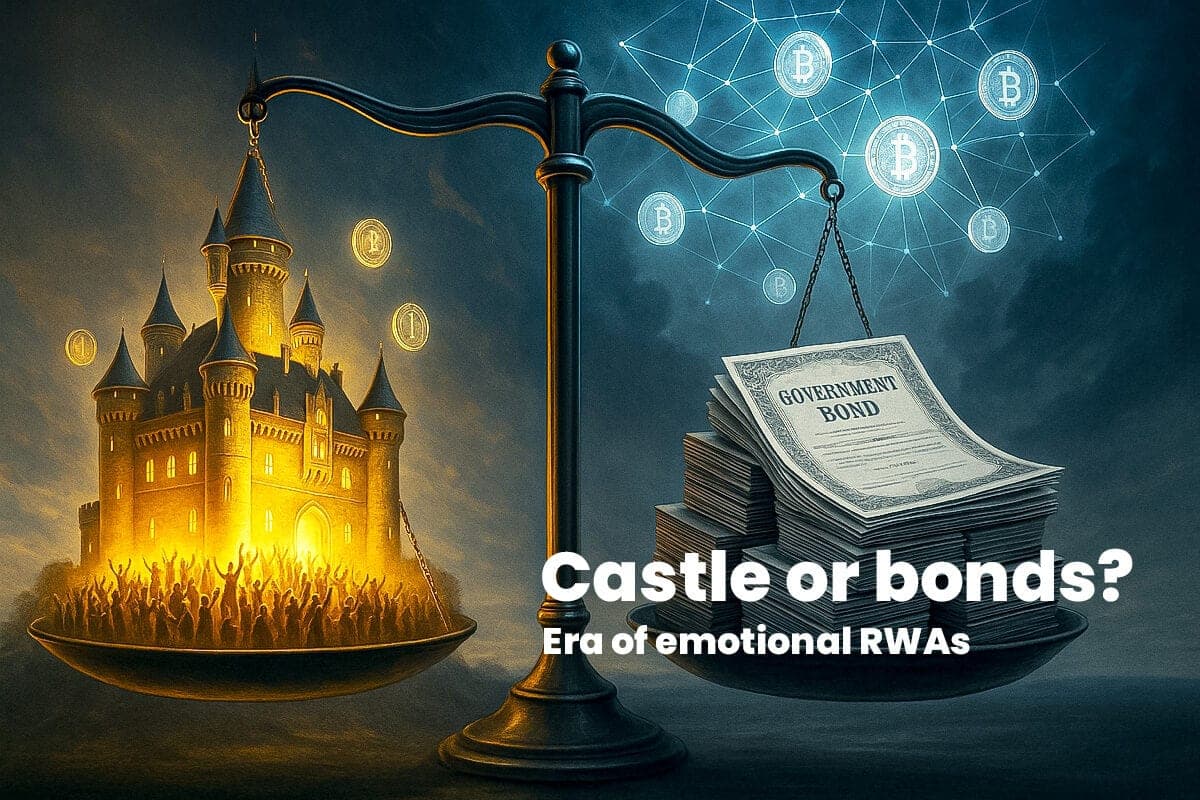
You no longer need to be a millionaire to own a piece of a castle. You no longer need to inherit a fortune to hold part of a vineyard. You no longer need to be chosen by an elite board to invest in a university.
You can step into ownership with a wallet, a few tokens, and the belief that shared value is stronger than borrowed access.
This is not theory. It is already happening.
And when people realise they can own part of a living, breathing cultural asset instead of just paying for another subscription, the shift will be as dramatic as the move from landlines to smartphones. Ownership will stop being a privilege. It will become a right.
Comments (0)
No comments yet. Be the first!
Only logged-in users can comment. Register — and you'll be able to share your thoughts on this article.
Register