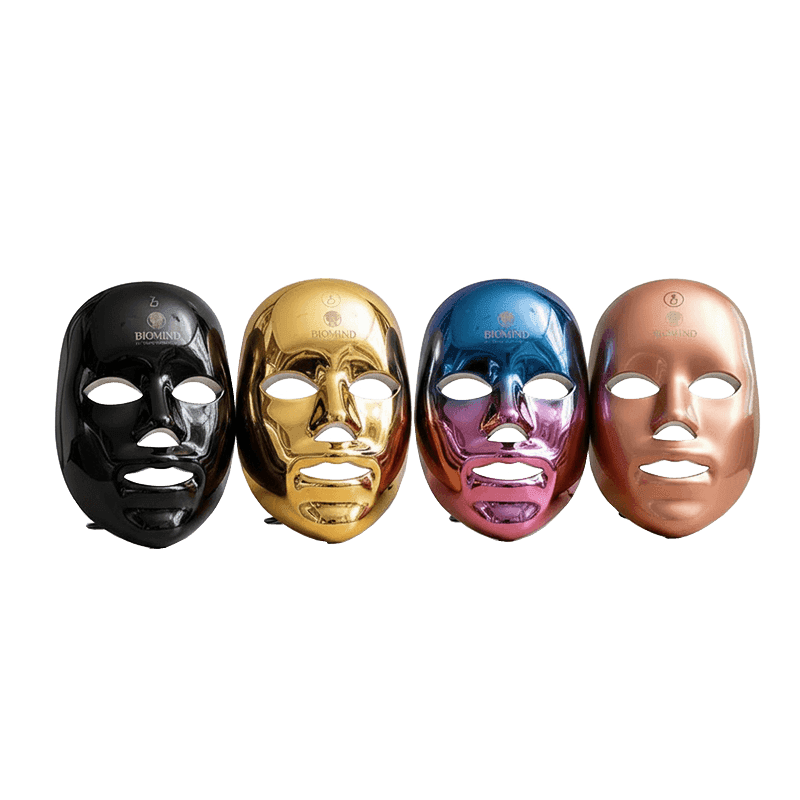
Seven-Color LED Modes and Their Scientific Context
Below is information about research on the respective wavelengths and their use in the photobiomodulation / LED literature in general. It is not evidence of the clinical effectiveness of this specific device.
- Red light (630 nm)
Research on red light and photobiomodulation examines associations with collagen turnover, skin texture, elasticity, and wrinkle indicators. This data describes the scientific literature on LED/PBM technology of the respective wavelengths in general, not the clinically proven effect of this specific mask. (study) - Blue light (470 nm)
The blue light range is examined in the scientific literature in various skincare contexts. Study results and parameters used vary, so this information is not confirmation of this specific mask’s effect on skin pores or oil production. (study) - Green light (520 nm)
Complements the light therapy spectrum. There is currently insufficient specific clinical research on the effect of this wavelength on skin oiliness or moisture. - Yellow light (590 nm)
The yellow light range is examined in the scientific literature in the context of skin redness, pigmentation, and other cosmetic skin indicators. This is general information about research on this wavelength, not a proven result for this specific mask. (study) - Light blue light (490 nm)
This wavelength is classified in the academic literature within the broader blue light range (450–490 nm). It may contribute to a more pleasant skin sensation, but there is not much specific clinical research on this particular wavelength. (review) - Violet light (410 nm)
The 410 nm wavelength falls within the approximately 405–420 nm range studied in the scientific literature. The effect of light in this range on skin is examined in various studies, but this is not confirmation of the clinical effect of this specific mask. (study) - White light (510–560 nm)
Technical note: this range actually corresponds to the green light spectrum (white light is a broad, not a narrow, range). Complements the overall light therapy spectrum.
Description
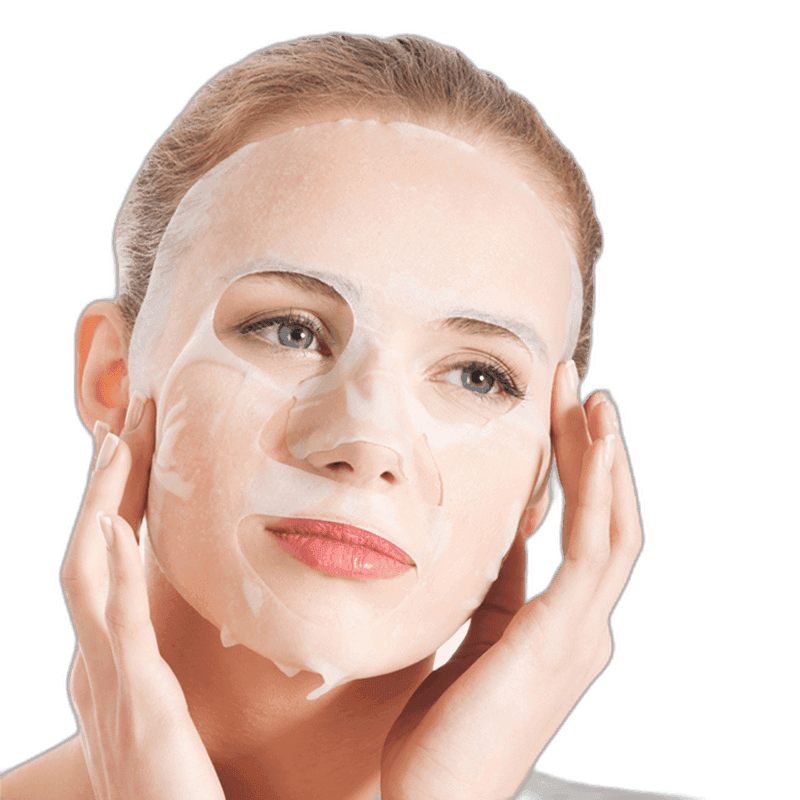
A seven-color LED light mask for cosmetic facial skin care at home. The mask additionally uses the RegenaX program, whose biopatterns are associated, in the context of the radionics / energy-information model, with informational themes of skin vitality, youthfulness, and renewal. No physiological effect on skin cells, collagen, elastin, or other biological processes is attributed to the RegenaX program.
The mask uses LED light modes of different wavelengths for cosmetic skin care. It is recommended to use the device for 10–20 minutes per session, 2–3 times a week. If a cosmetic serum or essence is used together with it, it must be suitable for use according to the instructions of the respective cosmetic product.
To understand how the product works, it is recommended to attend the radionics seminar.
Disclaimer
This product is not a medical device – it is intended for cosmetic use only. The product belongs to the beauty and wellness category. It is not intended to diagnose, treat, cure, or prevent any health condition. If you have skin issues or other health concerns, consult a doctor or other qualified healthcare professional before use.
The links to scientific LED and photobiomodulation research provided on this page are general information about the respective technologies and wavelengths. They are not evidence of the clinical effectiveness of this specific device.
The field of radionics and the informational field has been the subject of scientific research for over a century. In recent years the number of publications has been growing (e.g. Rubik B. et al., “Biofield Science and Healing: History, Terminology, and Concepts”, Global Advances in Health and Medicine, 2015), but existing studies are not yet sufficient for definitive clinical conclusions.
Usage Recommendations
- If you use a cosmetic serum or essence, follow that cosmetic product’s usage instructions.
- Use for 10–20 minutes, 2–3 times a week.
Why Choose This Mask?
This LED mask uses several light modes of different wavelengths, allowing the user to choose different cosmetic skincare modes. The mask is based on LED technology and is intended for home use according to the manufacturer’s instructions.
The mask additionally uses the RegenaX biopattern program. In the context of the radionics / energy-information model, it is associated with informational themes of skin vitality, youthfulness, and renewal. The RegenaX program is separate from the physical LED light action, and the LED/PBM scientific research presented on this page is not evidence of the effectiveness of the RegenaX program.
What the scientific literature shows about photobiomodulation (PBM/LED) for skin rejuvenation (in general, not about this specific product):
- Controlled LED/PBM studies have evaluated skin collagen density, wrinkles, skin texture, and other cosmetic indicators; some studies found statistically significant changes in these indicators.
- One cited randomized controlled photobiomodulation study found a reduction in periocular wrinkle volume. This is the result of a specific study, not a clinical effectiveness result for this particular mask being sold.
Important: This mask emits light in a similar wavelength range to the devices used in the studies, but this specific product has not been separately clinically tested, and the studies presented on this page are not confirmation of the clinical effectiveness of this specific device. The information above summarizes the general scientific literature on PBM/LED technology in general – it is not a claim about the proven effect of this specific device.
Sources:
- “A controlled trial to determine the efficacy of red and near-infrared light treatment in patient satisfaction, reduction of fine lines, wrinkles, skin roughness, and intradermal collagen density increase” — PMCID: PMC3926176
- “Regulation of skin collagen metabolism in vitro using a pulsed 660 nm LED light source: clinical correlation with a single-blinded study” — PMID: 19587693
- “A prospective, randomized, placebo-controlled, double-blinded, and split-face clinical study on LED phototherapy for skin rejuvenation” — PMID: 17566756
- “Photobiomodulation Reduces Periocular Wrinkle Volume by 30%: A Randomized Controlled Trial” — PMID: 36780572